
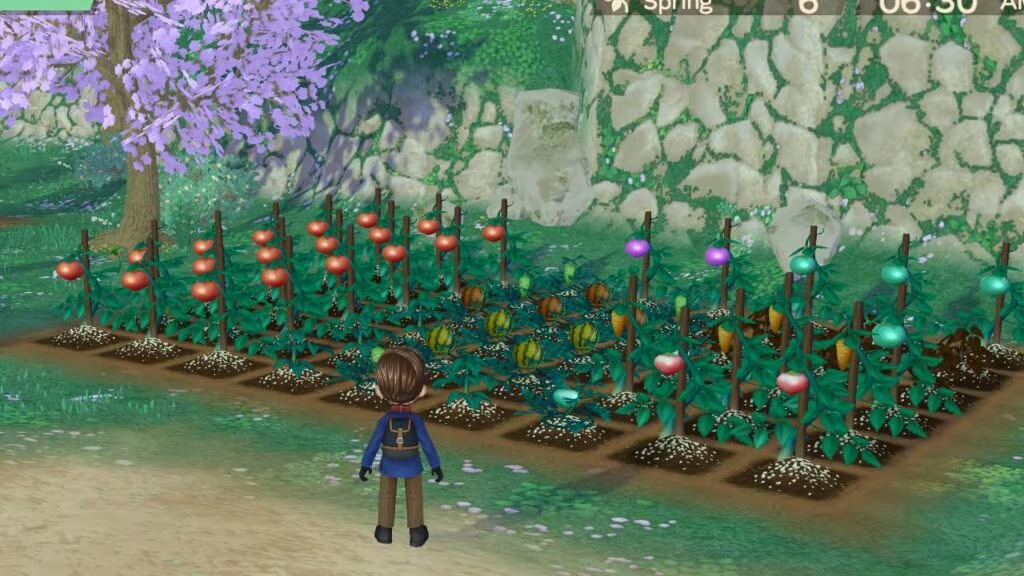
One of the core mechanics in Story of Seasons: A Wonderful Life (SoSAWL) is farming. You can make use of your farmland by planting various types of crops. Harvested crops can be eaten, given as gifts, or sold for profit.
This guide covers everything you need to know about farming—from tilling the soil to harvesting, field quality differences, fertilizer tips, and more.
Getting Started
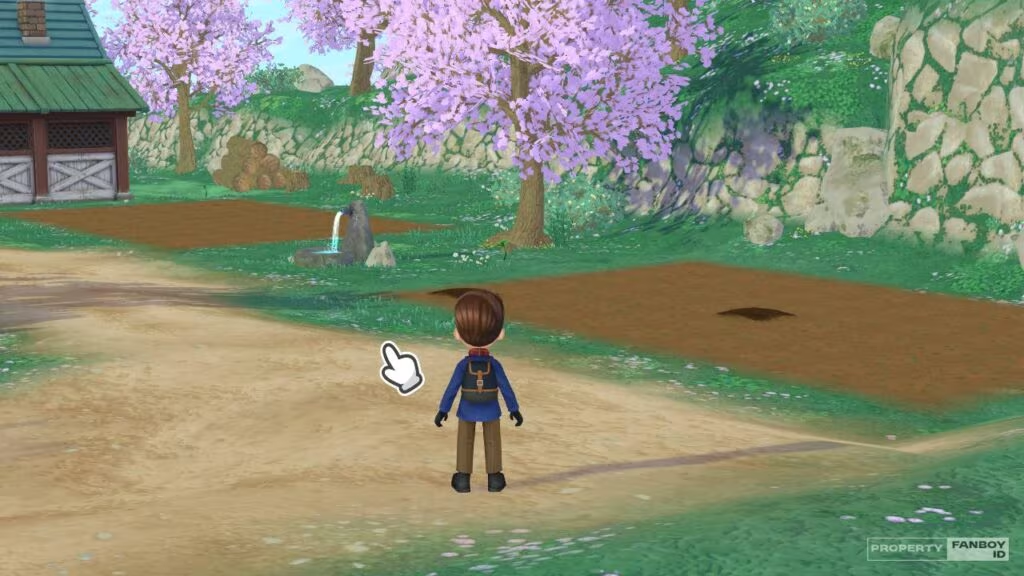
At the beginning of the game, you’ll be given access to two farming fields:
- Poor-Quality Field: Located next to the chicken coop, this field is 6×9 in size. It’s ideal for fruit trees, even though the soil quality is poor. You can improve plant quality here with consistent use of fertilizer.
- Medium-Quality Field: Found near the water pump, this field is also 6×9 but has better soil. It’s a good spot for planting vegetables and fruit crops.
How to Unlock the Third Field
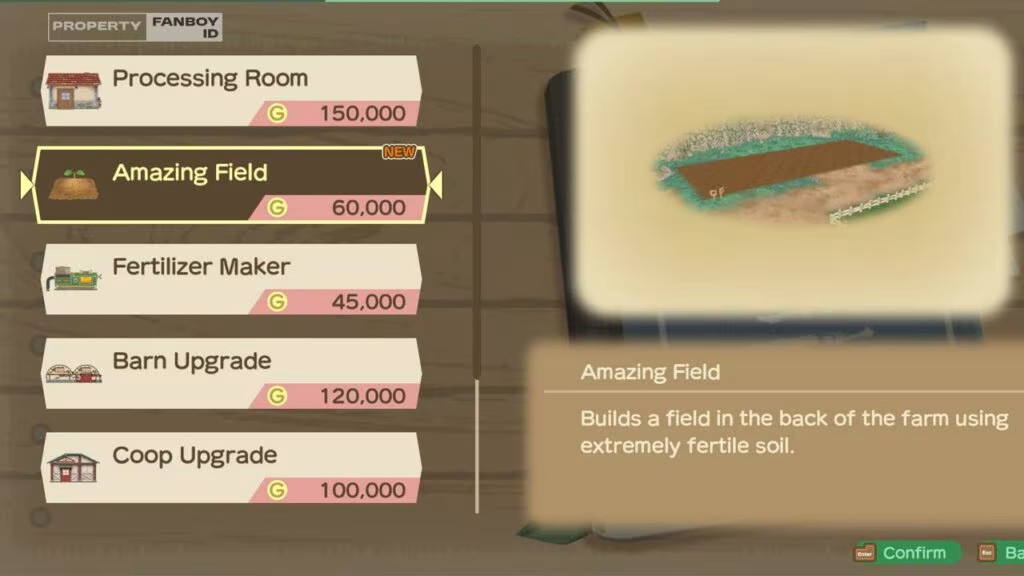
The third field has high-quality soil, making it ideal for second-generation hybrid crops and third-generation rare crops.
- It usually becomes available in Year 2, after Takakura introduces you to Vinnie.
- You can order the field through the Ledger for 60,000 G.
- After a few days, Takakura will begin clearing the area behind the pasture and notify you once it’s done.
- This new field is 9×24 in size, the largest and most fertile field in the game.
Tilling the Soil
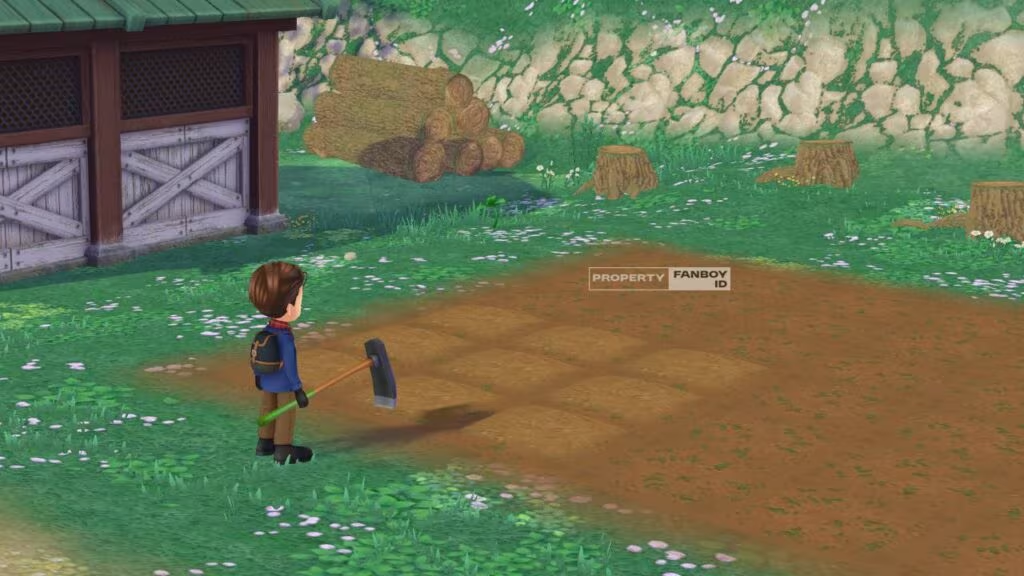
To begin farming, you need to till the soil using a Hoe.
- The basic Hoe tills 1 tile at a time, but upgrading it allows you to till multiple tiles in one action.
- Higher-level Hoes save you time and stamina.
- Check our tool upgrade guide for more info.
Getting Seeds
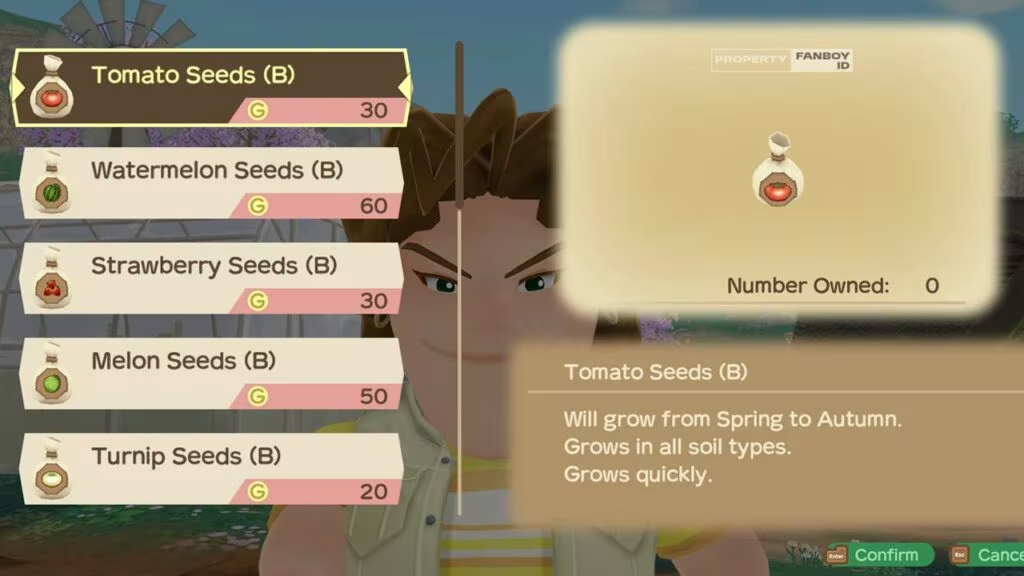
You can obtain seeds through various methods:
1. Buy from Vesta’s Farm
2. Use a Seed Maker
- Obtainable for free via Daryl’s Seed Maker event, or you can buy it via the Ledger.
- Insert one crop to receive two seeds of the same quality in a few in-game hours.
- This method saves money and preserves crop quality.
3. Bulletin Board Requests
- Occasionally, villagers will offer seeds as rewards for completing their requests.
- These seeds can be higher quality than those from Vesta’s.
4. Hybridization with Vinnie
- Once introduced to Vinnie and your friendship improves, you can create new types of seeds.
- Combine two different crops—if they’re compatible, Vinnie will produce hybrid seeds.
Seasonal Compatibility
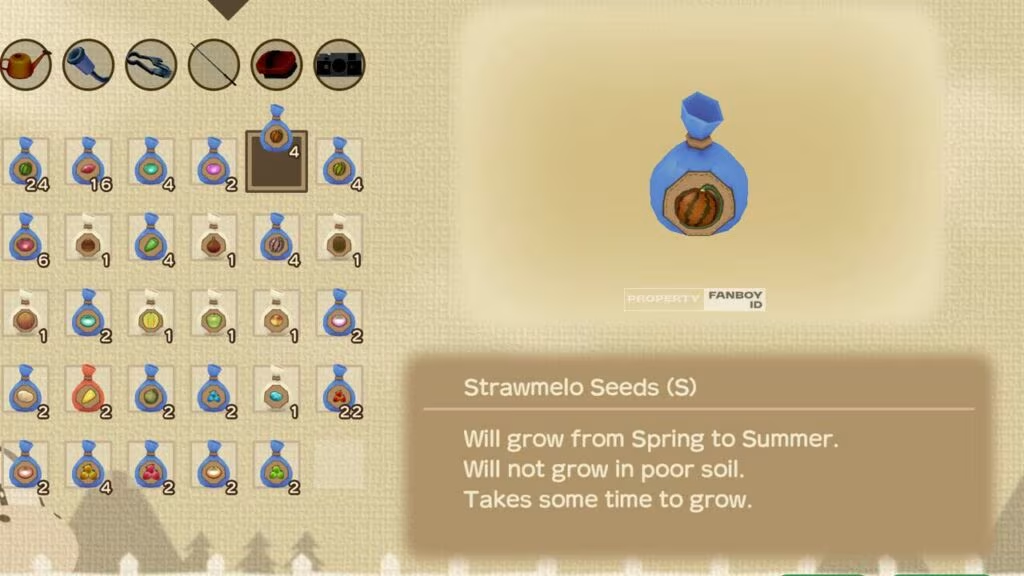
Before planting, check the seed’s season. Each crop grows only during specific seasons.
- Out-of-season planting will fail—the seed will not sprout.
- If a crop grows in two seasons, you can safely plant it at the end of the first season, and it will continue growing into the next.
Exception: Fruit Trees
- Fruit trees can be planted in any season.
- For example, apple trees flower in Summer and bear fruit in Autumn.
- They take about one year to mature, then repeat their cycle annually.
Fertilizer Tips
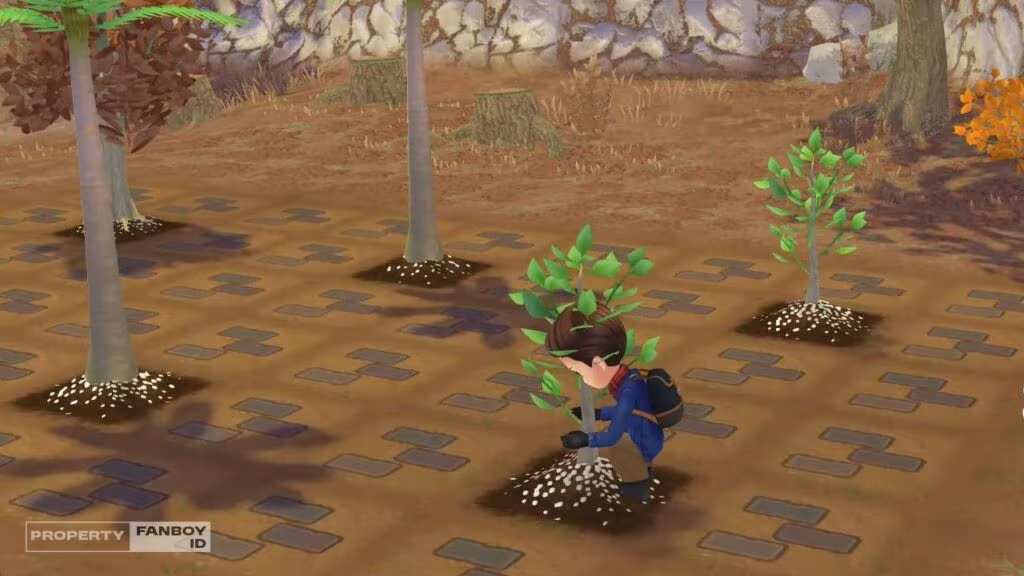
While not required, using fertilizer greatly improves crop quality.
- Even low-quality seeds can yield high-quality (S) crops with regular fertilizer during the growing season.
- This is especially effective for fruit trees, which yield high-quality fruit year after year.
See our dedicated Crop Quality Guide for deeper insights.
Harvest Season
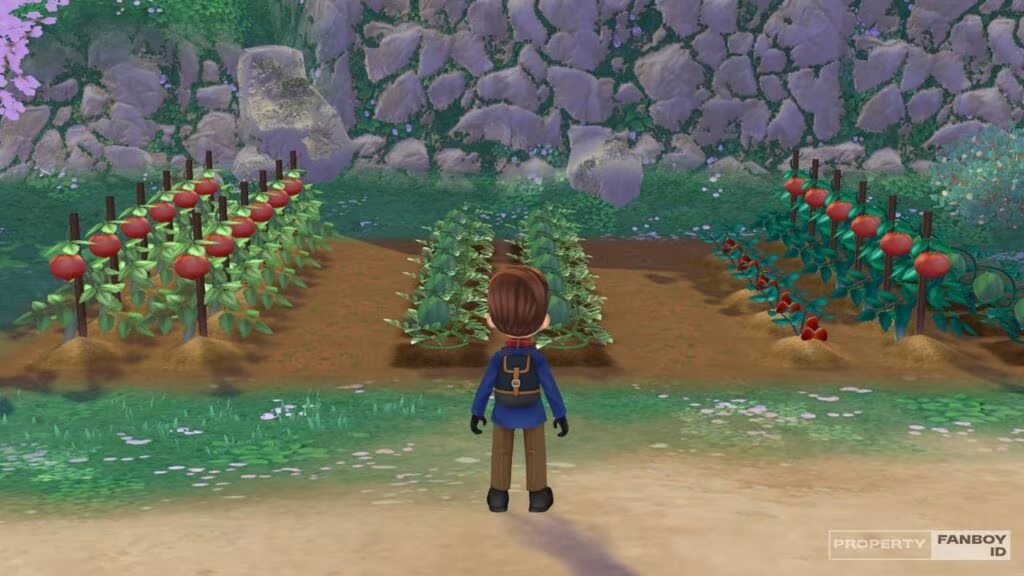
- Healthy plants have darker, richer leaves.
- You can check a plant’s growth stage by interacting with it.
- When a plant is ready for harvest, its tile turns yellow.
❗ Don’t delay harvesting!
- Overripe crops will wilt and rot, becoming unusable.
- You’ll need to remove them with a Sickle to replant.
Once harvested, congrats! You can now cook, gift, or sell your crops as you see fit.

Leave a Comment